
What this site is: an independent, sourced English guide to natural wine, the charter of France’s Association des Vins Naturels (AVN) and the 2020 Vin Méthode Nature label. It is not the AVN, a winemakers’ union or a wine shop, and it sells nothing. Updated 19 November 2026.
Natural wine has no legal definition. European labelling rules do not allow “natural wine” on a label, which is why the French growers who pushed for recognition settled on the name “vin méthode nature” instead, Wine Business reported. What the term means in practice comes from growers’ own charters, and the oldest of them is the AVN’s.
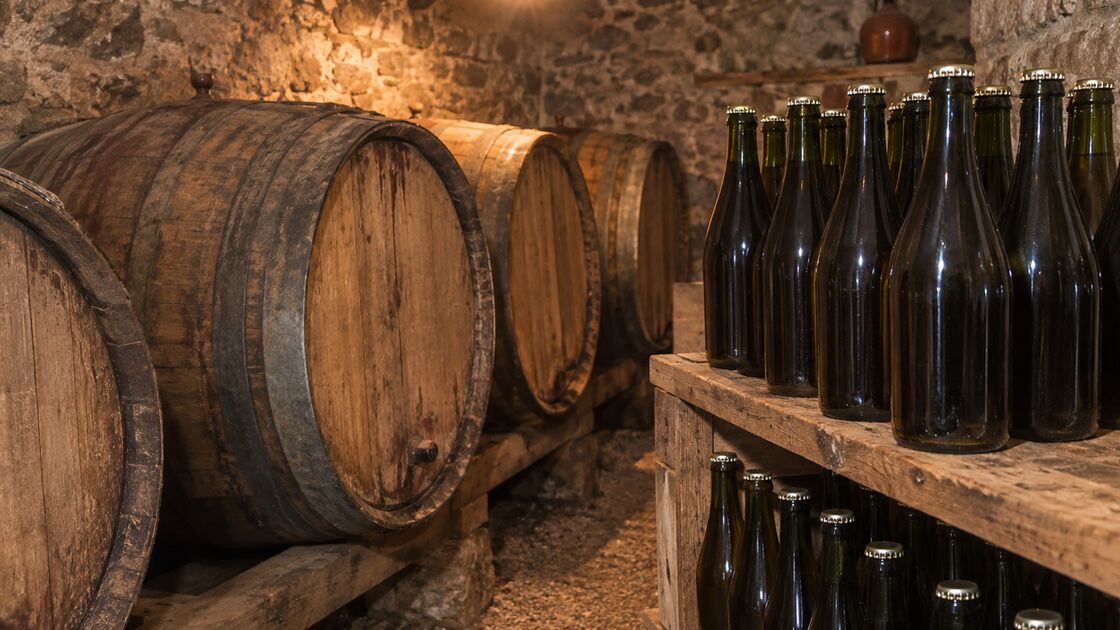
The AVN describes a natural wine as one “whose grapes come from organic or biodynamic agriculture” and which “is vinified and bottled without any input or additives”, as quoted in a 2024 study by Spain’s CSIC. The one exception the charter allows is a small dose of sulphur.
Natural wine now travels far beyond France. Bangkok now has a small but serious natural-wine bar scene. For a longer stay, ThailandWiki, a luxury Thailand travel guide, helps pick where to stay and eat.
Start here
- The AVN charter explained: what member growers commit to, from the vineyard to the bottle, and the sulphite limits.
- Is natural wine having a moment? How an old way of making wine became a trend, and what the 2020 label changed.
- A short guide to natural wines and how they are made, from the archive.
Two charters, one idea
The AVN was one of the first attempts to bring French natural-wine growers together. Raisin says it was co-founded by the Beaujolais grower Marcel Lapierre in 2000. A field guide from d-i.wine dates its formal founding to 2001 and names Lapierre, Pierre Overnoy and Pierre Breton among the founders. The sources disagree on the year, so both are given here.
A second, stricter body followed. According to a 2022 paper in Frontiers, the AVN was followed by the more radical SAINS group (“sans aucun intrant ni sulfite”, no inputs and no sulphites). In 2019 growers set up a union to defend natural wine, led by the Loire grower Jacques Carroget, and in March 2020 its Vin Méthode Nature charter was recognised by France’s INAO, the Ministry of Agriculture and the fraud-control office, Forbes reported.
The rules at a glance
| Rule | AVN charter | Vin Méthode Nature (2020) |
|---|---|---|
| Farming | Organic or biodynamic | Certified organic |
| Harvest | By hand | By hand |
| Yeast | Indigenous only | Indigenous only |
| Added sulphites | Up to 30 mg/l for reds and sparkling, 40 mg/l for whites | None, or under 30 mg/l, added only after fermentation |
The AVN limits are those in its published charter, also summarised by Raisin. The Vin Méthode Nature rules are from Decanter.
How many growers use the label?
Counts vary. Vin Méthode Nature had 109 growers in 2020 and 156 in 2021, wine.co.za reported. One of its founders later told Formes de Luxe that about 300 winemakers now use it. Many well-known natural-wine makers have not joined at all.
Common questions
Is this the website of the Association des Vins Naturels?
No. This is an independent guide. It describes the AVN charter from published sources.
Is natural wine the same as organic wine?
No. Organic wine is about how the grapes are farmed. Natural wine starts with organic grapes but also rules out cellar additives and most sulphites.
Can a label say “natural wine”?
Not in the EU. French growers use “Vin Méthode Nature” instead.